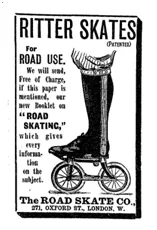
Some early roller skates put their wheels in a single row. There was already a question that still matters when you try a new setup. Once the skate gets moving, can you steer it and control it? In the 19th century, inventors tried different ways to mount wheels under a boot. Robert John Tyers’s Rolito was an early example of a multi-wheel inline design.
The turn that opened up the rink
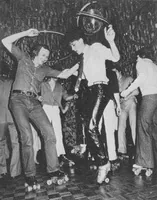
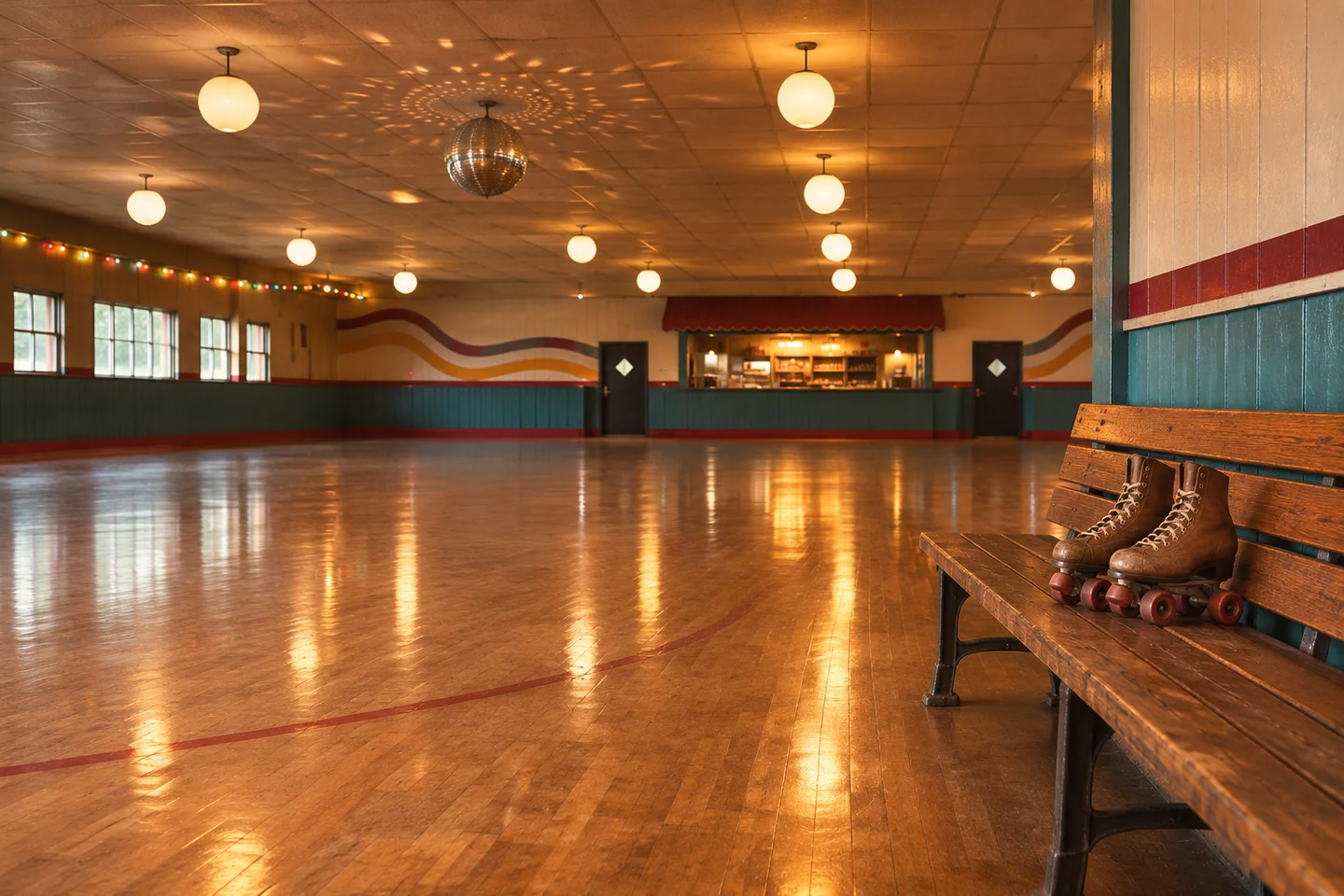
James Plimpton’s four-wheel turning skate let a rider steer by leaning. In a rink, that opened up ways to move around other skaters and link curves together. The quad became familiar through recreational sessions and a range of competitive disciplines. Dance and disco later gave people another reason to come back to the same floor week after week.
What the inline boom changed
A century on, the inline design found a wider audience again. Rollerblade became closely associated with that rise in the late 1980s and ’90s. Hard-shell boots were common, while soft-boot fitness designs gave recreational skaters another option. Different frames and boots let the same wheel layout serve a path, a racing track or an aggressive park setup.
The designs still sit alongside each other. You can see a quad skater changing edges to music and an inline skater carrying speed through a corner and recognise two answers to the same old question about how to steer on wheels.
Why the rink mattered as much as the wheels
A skate that can turn comfortably changes what is possible indoors. With a predictable floor and space to go round again, skaters could pass, practise a dance step or set up a race. The quad’s two axles and pivoting trucks gave one answer to steering by leaning. Much later, the spread of modern inlines gave outdoor skaters and racers another way to balance support, speed and control.
Those designs coexist because they do different jobs well. The history is still visible in a single weekend: quads at a disco, inlines on a path and both forms adapted for the disciplines people wanted to build.