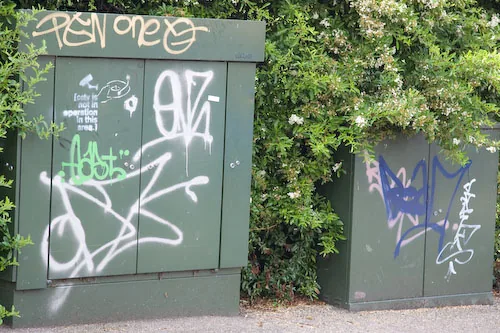
The reports named Warwick Way, Alan Moss Road and Epinal Way among the affected areas. What residents were describing was the cost and nuisance of having marks removed from places they looked after.
Space for work people want to see
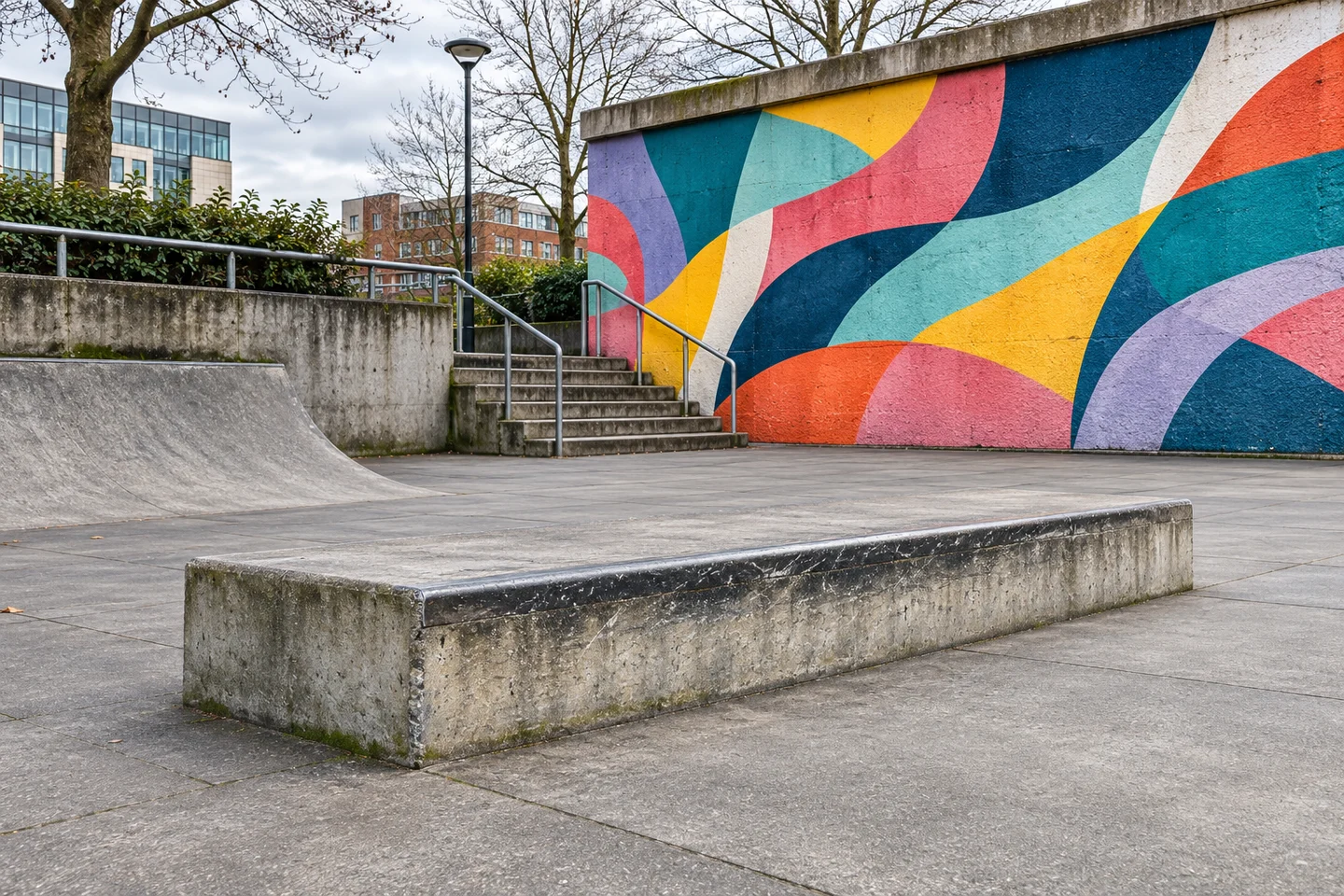
The row also raises a question for towns that value street art. A legal wall, a skatepark art project or an agreed commission can give young artists a visible place to make something. Who gets to decide where that space goes is part of the conversation.
What a legal wall has to solve
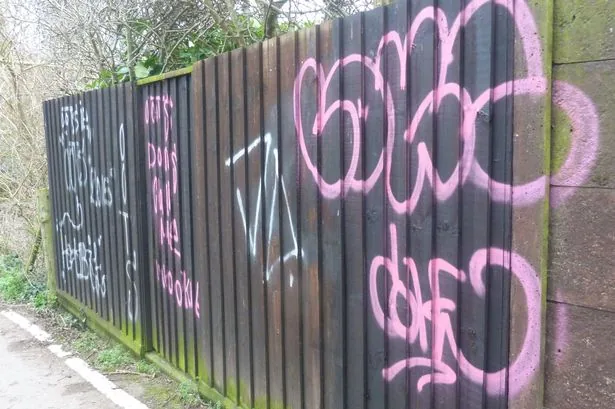
The 2015 report describes markings on private property as well as in the street. A legal art space changes who gives permission and who looks after the result. A workable scheme needs an agreed surface, a way for artists to use it and a decision about how often the work changes. Where there is a skatepark, artists and riders also need to know which areas are safe to paint and which are part of a riding surface.
That leaves two jobs for a town. Residents need a way to report damage to property. Local artists need somewhere they can make work with consent. Doing one well doesn’t remove the need to do the other.