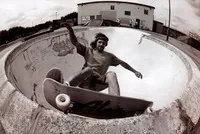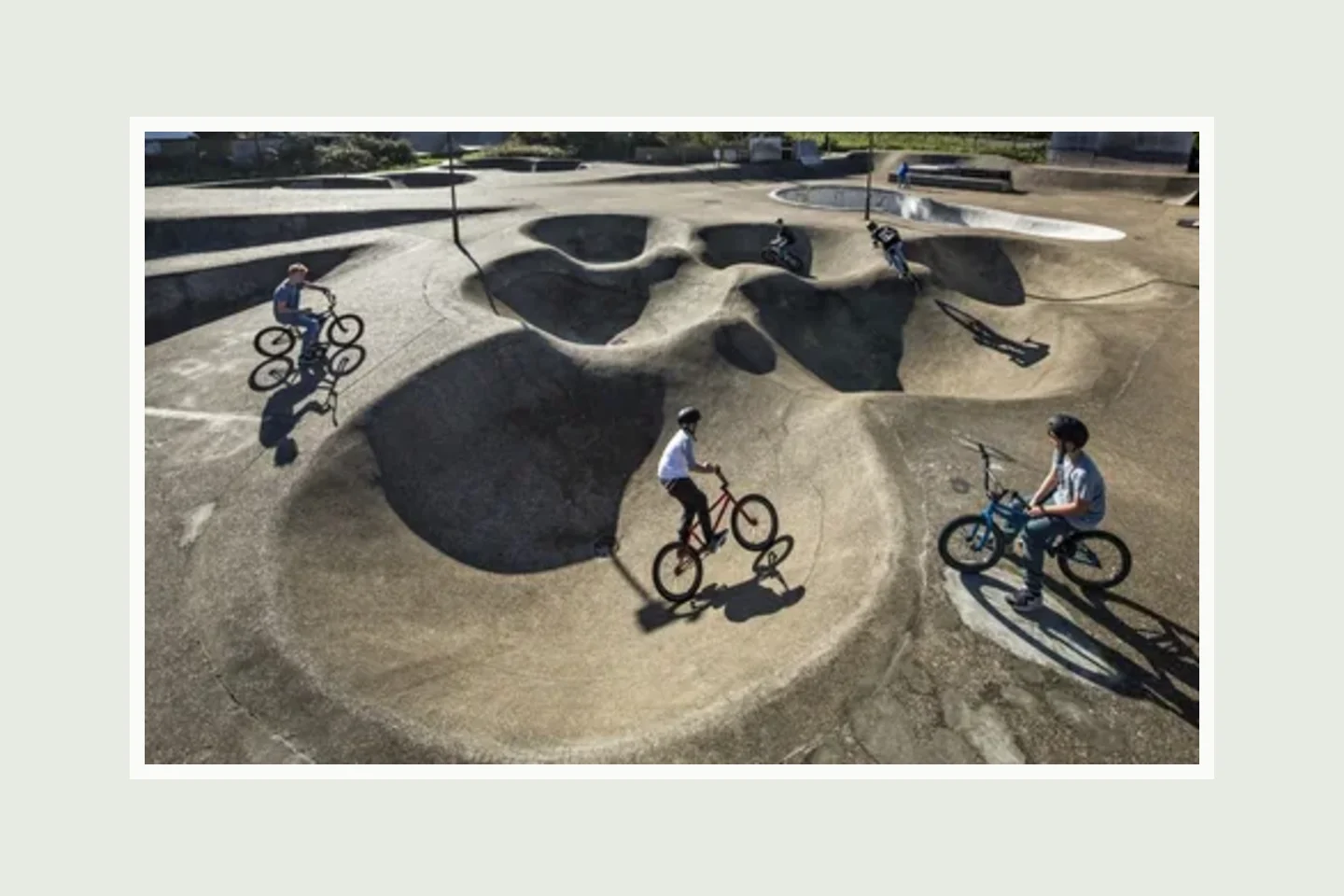
Take a look across the Rom and you can see where its builders were looking in 1978. Adrian Rolt and G-Force took cues from Californian skateparks, shaping a run of bowls, banks and sweeping curves into around 8,000 square feet in Hornchurch. The concrete is still the thing people come to ride. In 2014 it also became the thing the listing was there to protect.
A piece of skate history you can stand in
Many of the parks built during Britain’s first skateboarding boom had already gone by the time the Rom was listed. The protection put a surviving piece of the late 1970s on the same footing as other buildings and sites the country wants to look after. England had never listed a skatepark before. Across the Atlantic, Tampa’s Bro Bowl had been added to the US National Register of Historic Places in 2013.
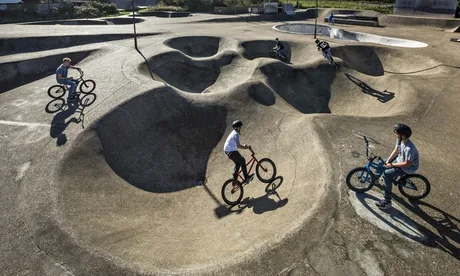
Roger Bowdler of English Heritage said it gave “the whole idea of heritage an extra twist”. For riders, the decision came close on the heels of the Southbank campaign and was another sign that years of use can give a place significance that no one had thought to put on a plaque. At the Rom, the way the banks and bowls fit together still tells that story each time someone finds their own route across the park.
Why the layout is worth preserving
The Rom is a record of what a purpose-built British skatepark looked like in 1978. Look for the moguls, a set of linked bowls. A rider can carry speed through one dip and into the next rather than treating each bowl as a separate turn. The surfaces and the joins between them show why the place influenced how people learnt to skate transition.
The 2014 listing gave national recognition to a place built for a young culture that had already been changing the way people used concrete. Historic England describes the Rom as England’s first nationally listed skatepark. What it recognised was a whole design, with routes and shapes you can still understand by looking across the floor.
Understanding Skate Park Etiquette