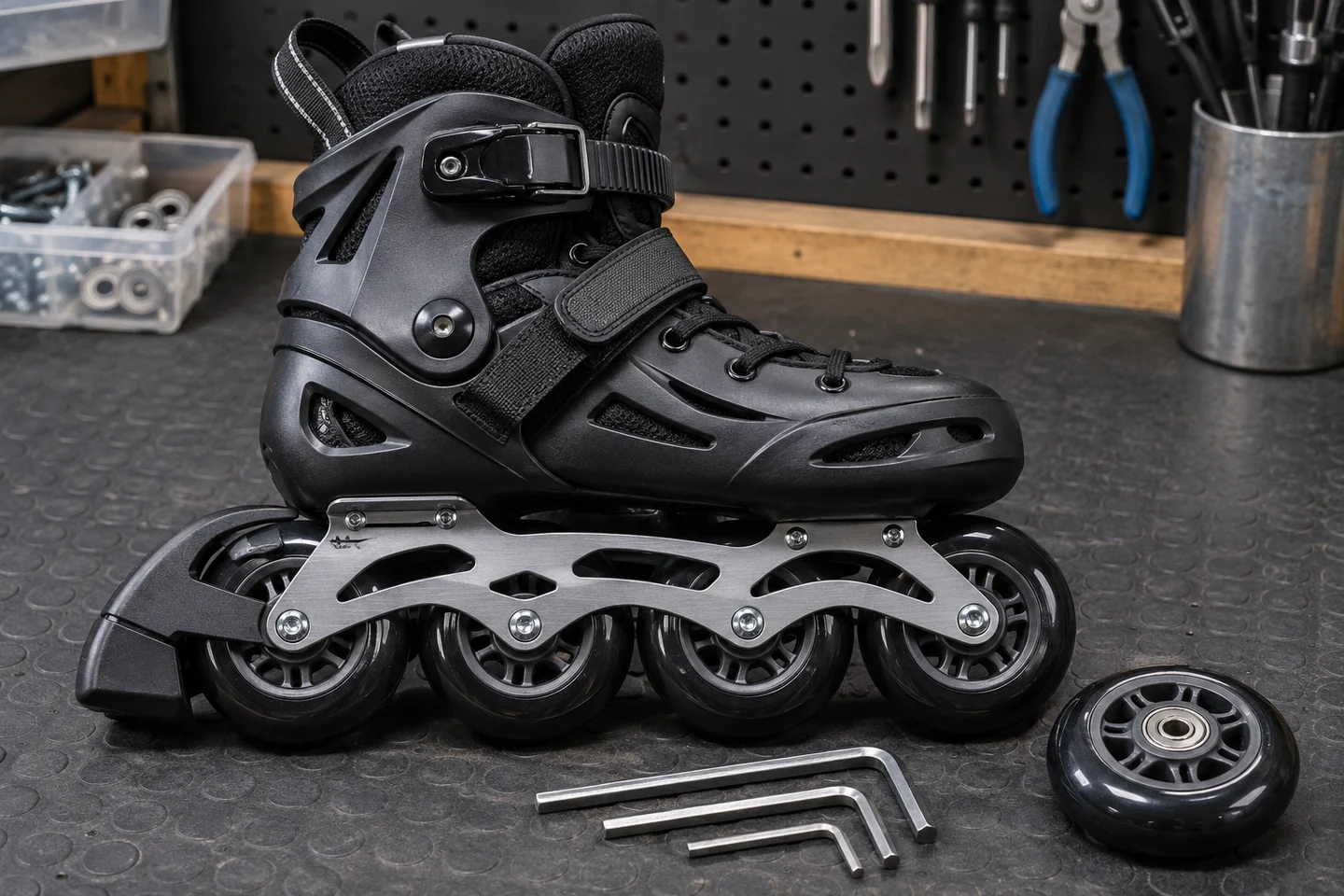
At first glance, the decision is simple. A quad has two wheels at the front and two at the back. An inline has its wheels in a row. Put one of each on and the differences become easier to describe. A quad gives you a wider footprint side to side. An inline frame gives you a longer line of support front to back. Both ask you to learn how to transfer your weight and keep your knees soft.
Think about your first few sessions
If you’ve been watching dance skaters or you want to get into rink hockey or roller derby, check what people use in that discipline. Quads are common in those settings. A fitness route, inline hockey or aggressive inline skating may point you towards inlines. Both layouts have setups for outdoor skating and parks.
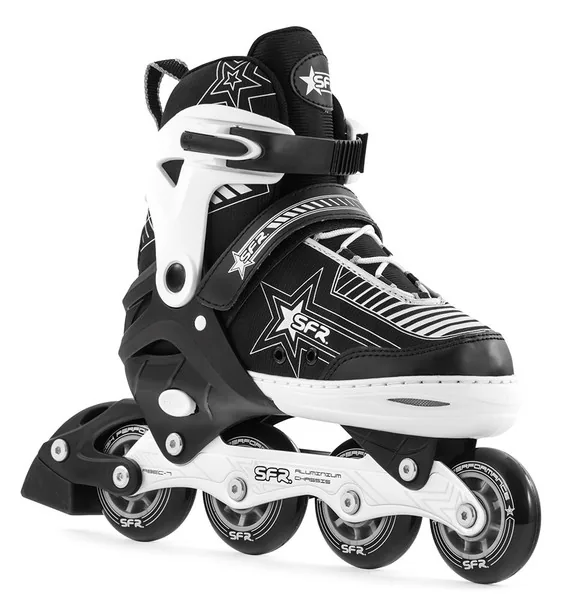
Brakes also feel different. Many recreational inlines come with a heel brake, while quads commonly have a toe stop at the front. Some discipline-specific skates leave those off. If you’re hiring or borrowing for a first session, ask an instructor to show you a stop that suits the skate you’re using.
Fit before features
Try the boots with the socks you’ll wear. A heel that lifts or a foot that shifts when you bend your knee is worth paying attention to. A hard shell with a liner can feel supportive, and a softer boot can feel more flexible. Try both if you can. The skate should hold your heel and leave your toes enough space without forcing you to grip with them.
A rink or lesson that offers hire gives you a chance to try a layout before buying. Think about which pair let you get on with learning after the first few minutes. That’s a better guide than the one that looked best on the shelf.
Compare the choices side by side
| What you want to do | Quad | Inline |
|---|---|---|
| Dance or skate at the disco | Common choice for jam and rhythm sessions. | Suitable where the venue permits them. Ask which layout the session is teaching. |
| Learn to roll, turn and stop | Wide side-to-side wheel layout and usually a toe stop. | Longer front-to-back footprint and often a heel brake on recreational models. |
| Take a regular outdoor route | Choose outdoor wheels and check how the skate feels on rough ground. | Fitness models are a common choice. Check boot support, wheel size and your stopping plan. |
| Join a hockey or derby club | Check the club first. Rink hockey and flat-track derby use quads. | Inline hockey has its own equipment. Check the league’s kit requirements. |
| Ride the skatepark | Park quads have different clearance and equipment from many rink skates. | Aggressive inline setups are designed for park and street tricks. |
Choose an inline skate by discipline
Compare the boots and stopping systems on the floor
A recreational inline usually has a cuff around the ankle and may include a rear heel brake. A quad commonly has a toe stop in front and pivots on trucks and cushions, so the response to a lean feels different. A wide quad footprint can help side-to-side confidence while standing; its short wheelbase and front stop can surprise someone used to an inline. The skater still needs to learn a stop appropriate to their exact setup.
If you can hire both, repeat the same four checks: heel hold, knee bend, wide turn and low-speed stop with an instructor. Choose the skate that fits the intended session and lets you repeat the controls comfortably. A family disco, a slalom class and a long outdoor path can lead to different answers.