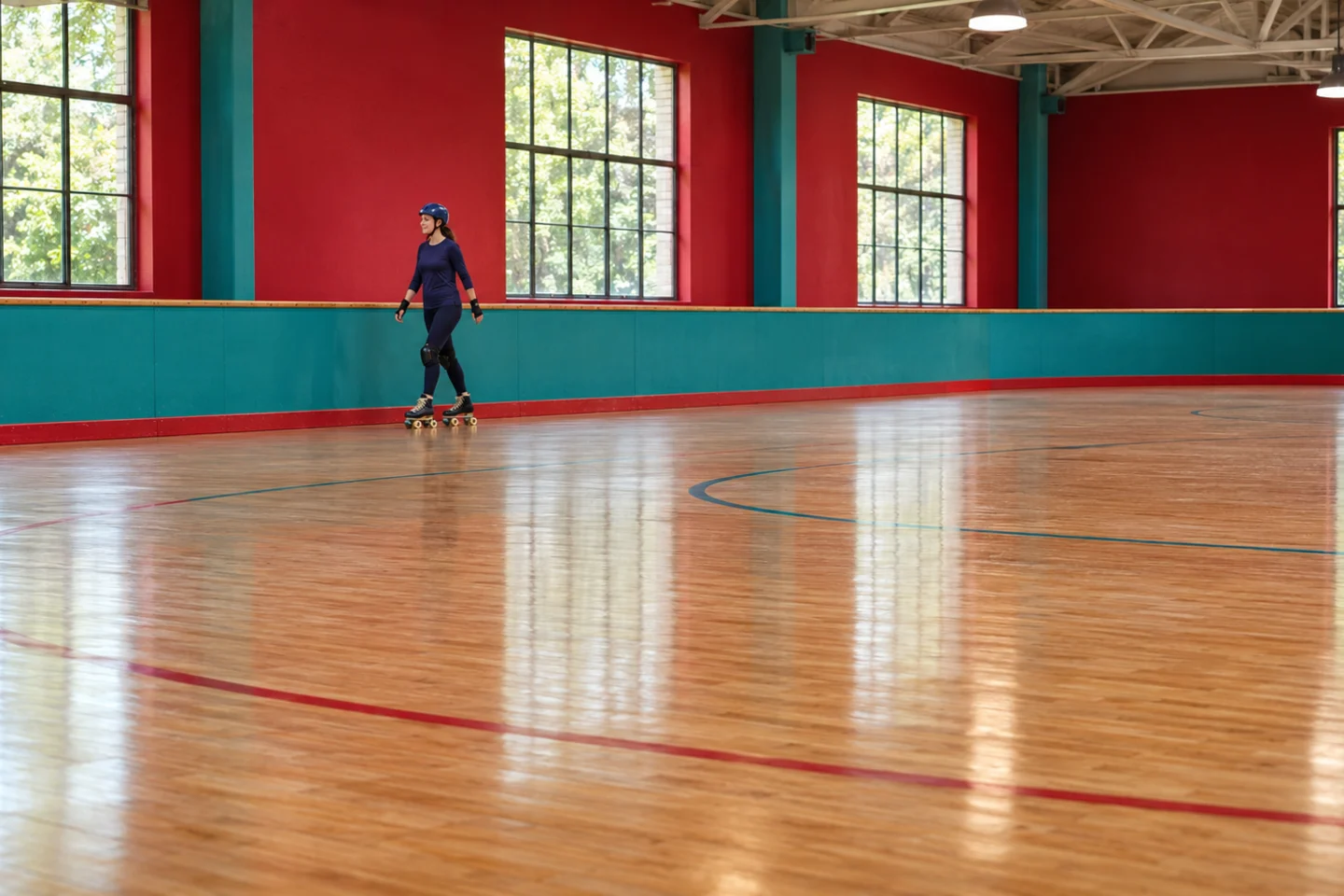
When even a small push takes you further than you expected, work out which bit feels too fast. It might be the first push, the roll over rough ground or getting back to a stop. Each has a different fix.
Four ways to feel more in control
- Practise weight shifts before rolling. A firm, level carpet can help you find the stance. Move to a clear, level skating surface for gliding.
- Shorten the push. Use small pushes and stop before adding another. A quiet rink session or lesson gives you space to repeat the same distance.
- Compare wheels for your surface. A softer wheel can smooth out rough paving. A smaller compatible wheel may change the way a quad starts and responds. Try it for the feel you need and confirm axle, boot and plate clearance.
- Learn a stop you can repeat. Practise with an instructor at a pace you can control. Build up only after you can stop several times in the space you’ve allowed.
Keep the wheels rolling freely
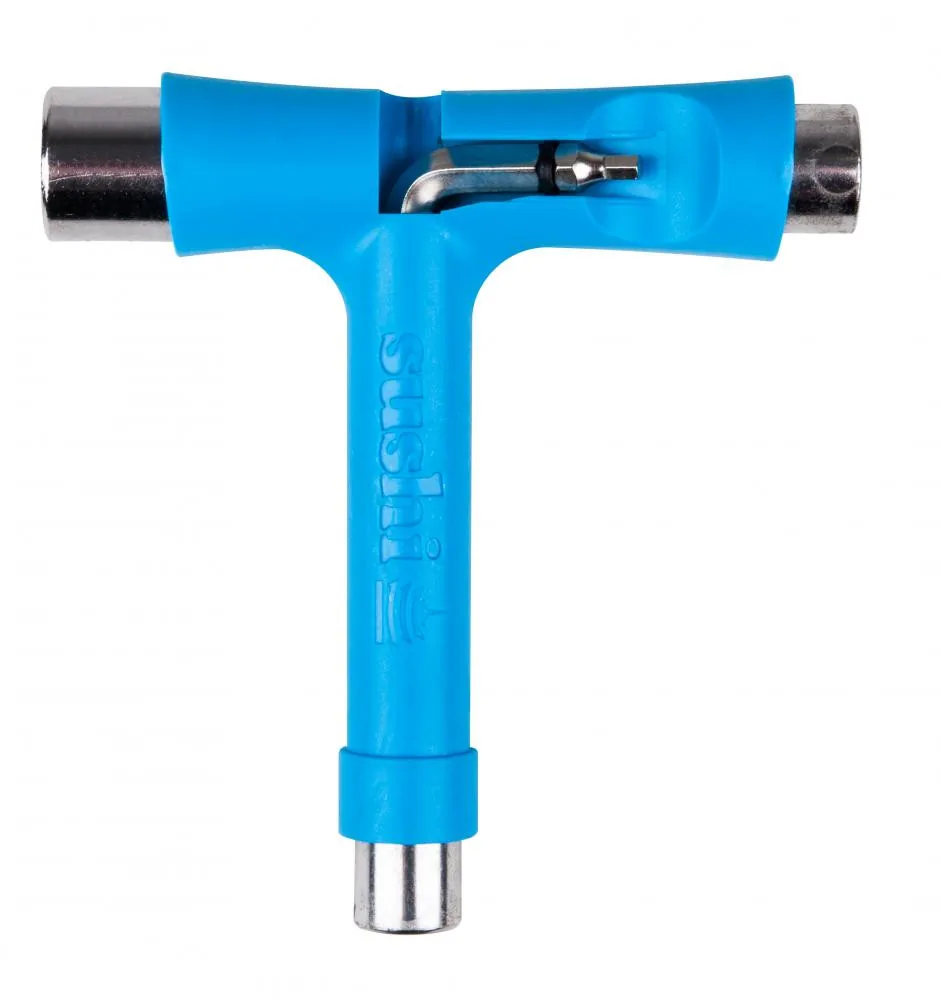
Axle nuts secure the wheels. Setting them so the bearings bind can damage parts and gives you uneven behaviour. ABEC describes manufacturing tolerances. For a skate that still feels unpredictable, get wheel seating, bearings and fit checked and describe which surface gives you trouble.
Practise a controlled push, glide and stop
Compare wheels for the floor you skate on
Work out whether it’s speed, grip or movement
If your feet shoot forwards on the first push, practise shorter pushes and a stop on flat ground. If your outside wheels feel as though they skip over coarse paving, compare a softer compound that deforms around the texture. If your skates feel twitchy when standing or leaning, check boot fit, pivot cups and cushions. That last problem won’t be fixed by a smaller wheel.
For example, changing from 62 to 57 mm lowers the skate about 2.5 mm, which can feel different in turns, but there is no fixed speed reduction. Keep each wheel spinning freely and use the same floor and exercise to compare changes.